
Artificial Intelligence: Transforming the Future

- Update Time : 10:27:36 pm, Sunday, 7 June 2026 2 Read
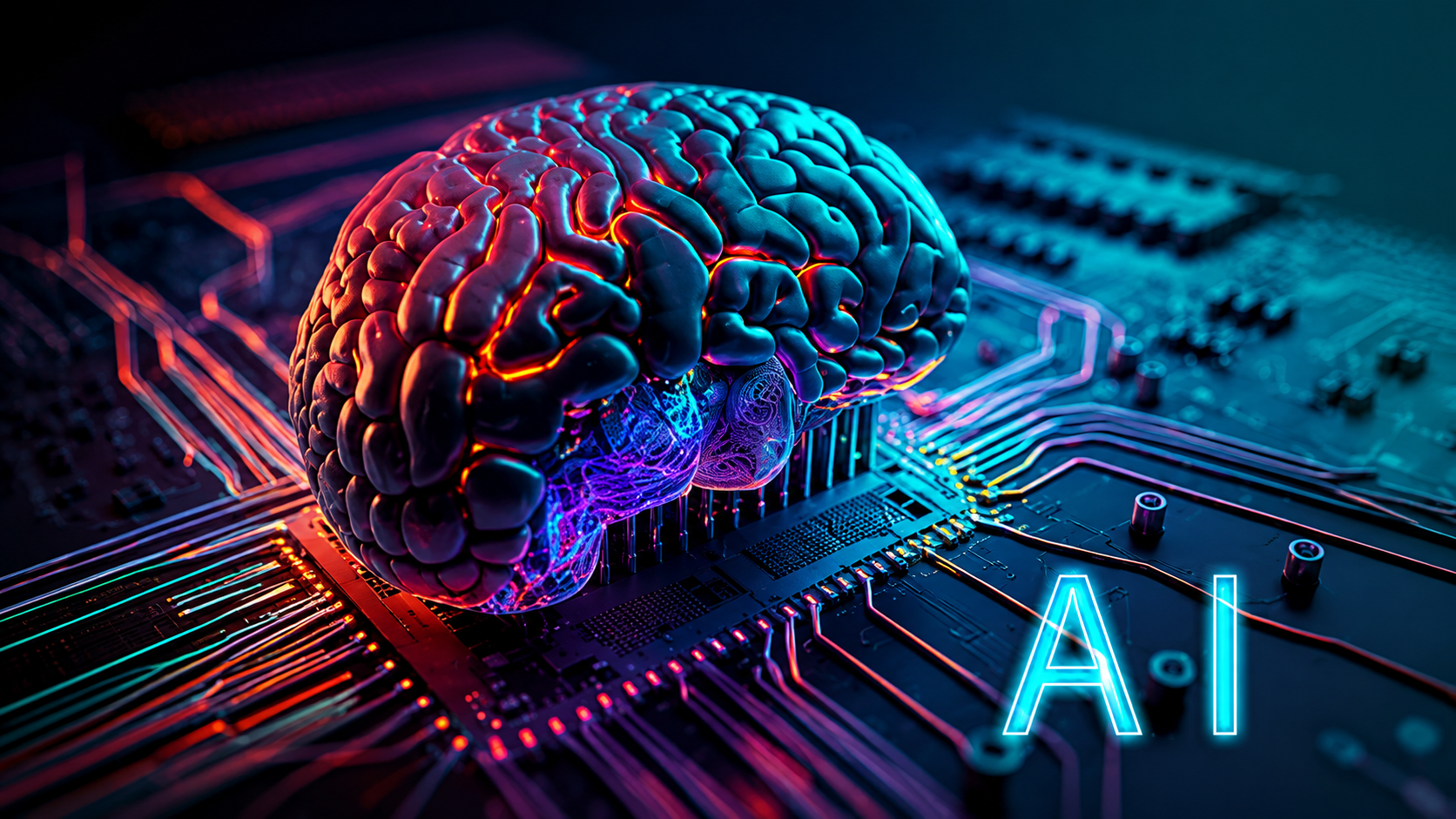
Artificial Intelligence (AI) is one of the most revolutionary technologies of the 21st century. From smartphones and virtual assistants to healthcare and transportation, AI is changing the way people live, work, and interact with technology. As AI continues to evolve, it is becoming an essential part of modern society and shaping the future of industries worldwide.
What Is Artificial Intelligence?
Artificial Intelligence refers to the ability of machines and computer systems to perform tasks that typically require human intelligence. These tasks include learning, problem-solving, decision-making, language understanding, image recognition, and pattern analysis.
AI systems use data, algorithms, and computing power to learn from experience and improve their performance over time. This capability enables machines to make predictions, automate processes, and assist humans in various activities.
How AI Works
AI relies on several key technologies:
Machine Learning
Machine learning allows computers to learn from data without being explicitly programmed. The system identifies patterns and uses them to make predictions or decisions.
Deep Learning
Deep learning is a specialized branch of machine learning that uses artificial neural networks inspired by the human brain. It is particularly effective in image recognition, speech processing, and natural language understanding.
Natural Language Processing (NLP)
NLP enables computers to understand, interpret, and generate human language. Chatbots, virtual assistants, and language translation tools are common examples of NLP applications.
Computer Vision
Computer vision allows machines to analyze and understand visual information from images and videos. It is widely used in security systems, medical imaging, and autonomous vehicles.
Applications of AI
Artificial Intelligence is transforming numerous industries:
Healthcare
AI helps doctors diagnose diseases, analyze medical images, and develop personalized treatment plans. It can improve healthcare efficiency and patient outcomes.
Education
AI-powered learning platforms provide personalized educational experiences, helping students learn at their own pace.
Business
Companies use AI for customer service, data analysis, marketing automation, and decision-making, leading to increased productivity and efficiency.
Transportation
Self-driving vehicles and intelligent traffic management systems use AI to improve safety and reduce congestion.
Finance
Banks and financial institutions use AI to detect fraud, assess risks, and provide better customer services.
Benefits of AI
The growing adoption of AI offers many advantages:
- Increased productivity and efficiency
- Faster data analysis and decision-making
- Improved customer experiences
- Reduced operational costs
- Enhanced innovation and creativity
- Better healthcare and educational outcomes
By automating repetitive tasks, AI allows people to focus on more complex and creative work.
Challenges and Ethical Considerations
Despite its benefits, AI also presents challenges. Concerns include data privacy, cybersecurity, job displacement, algorithmic bias, and ethical decision-making.
Governments, businesses, and technology developers must work together to ensure AI is developed and used responsibly. Transparency, fairness, and accountability are essential for building trust in AI systems.
The Future of AI
The future of Artificial Intelligence is filled with possibilities. AI is expected to play a major role in scientific research, climate solutions, smart cities, advanced healthcare, and space exploration. As technology continues to improve, AI will become even more integrated into everyday life.
However, the ultimate goal should be to create AI that complements human capabilities rather than replaces them. By combining human creativity with machine intelligence, society can unlock new opportunities for growth and innovation.
Conclusion
Artificial Intelligence is transforming the world at an unprecedented pace. Its ability to learn, analyze, and solve complex problems is driving innovation across industries and improving countless aspects of daily life. While challenges remain, responsible development and ethical use of AI can help create a future where technology empowers people, enhances productivity, and contributes to a better world.